

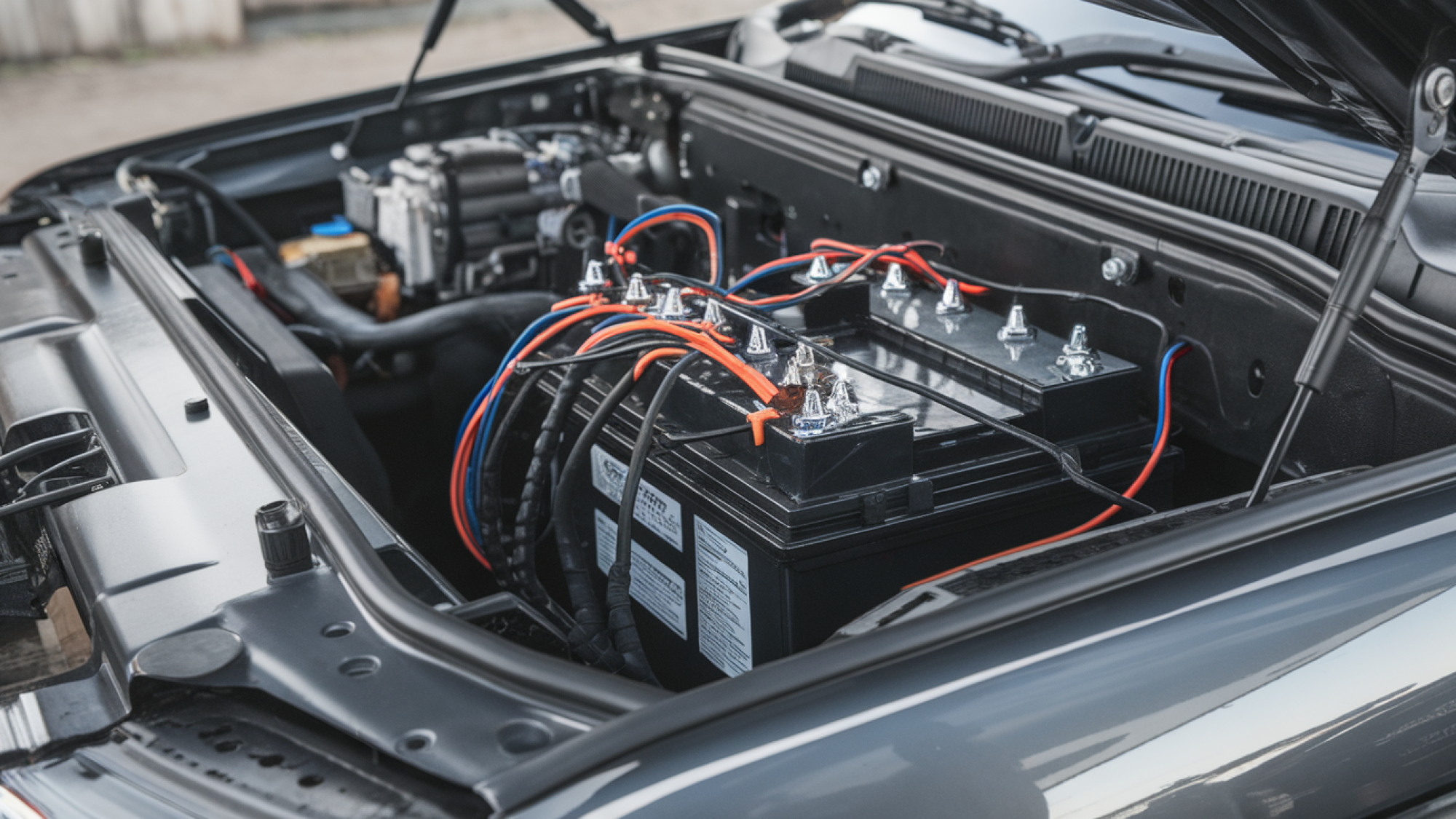
Ever been late for a meeting, hopped into your Range Rover, hit the start button, and… nothing? Not even a click? Just silence. It’s one of those “uh oh” moments that ruins your whole day. And guess what? That moment doesn’t usually come out of nowhere. Your battery’s been dropping hints, you just didn’t catch ’em. That’s when you realize a Range Rover battery replacement isn’t something you can delay.
Now, let’s be real. A luxury SUV like a Range Rover ain’t your average hatchback. It’s a tech loaded beast, and the battery isn’t just for starting the engine. It powers everything from that panoramic sunroof to the touchscreen you can’t live without. So yeah, when that battery starts giving up, a proper Range Rover battery replacement is the only way to avoid a tech meltdown.
Why Range Rover Battery Replacement Happens So Soon
Ever feel like you’re melting just standing in Dubai traffic? Your back sticks to the seat, AC’s blasting full, and you’re still sweating. Now imagine your battery, buried under the hood, soaking up all that heat. Yeah, it’s frying quietly every day. That’s exactly why a Range Rover battery replacement becomes a must sooner than you think in this kind of climate.
- Heat cooks your battery from the inside
Extreme temperatures cause the electrolyte inside the battery to evaporate quicker. This leads to sulfation and weak internal plates, which slowly kill the battery’s ability to hold charge. In Dubai’s heat, it happens way faster than it would in cooler regions. - Stop start traffic increases wear
Crawling through Sheikh Zayed Road during peak hours? You’re stopping more than driving. Your battery barely gets a chance to recharge between engine starts, especially if the alternator’s under strain too. Add on all the tech pulling power, and it wears down even faster. - Dust and humidity corrode terminals
Dust storms? Salty moisture in the air? Not good. These sneak into your engine bay and start corroding the battery terminals. Once corrosion sets in, your electrical flow becomes unstable, and even the best battery starts acting up. - Accessories drain battery faster
We’re talking surround sound, air suspension, ambient lighting, dual-zone climate, and those massage seats. All these systems keep pulling power even when your engine’s off, and your Range Rover battery? It’s silently working overtime, especially in overnight parking or valet stands. - AC fans and idle time strain output
Idling in heat with the AC blasting full speed draws constant power from the battery and alternator. If your battery’s already weak, this extra strain just pushes it closer to failure.
This isn’t just one of those “maybe someday” things. In Dubai, your battery’s aging three times faster than it should. That’s why a well-timed Range Rover battery replacement is not just smart, it’s necessary if you want to avoid surprise breakdowns or a dead car on a summer morning. If you’re exploring performance upgrades that also impact electrical load, check our guide on Range Rover Engine Tuning Tips to balance power gains with smart battery/charging choices.
Weak Starts and Dead Mornings | Early Signs You Need a Range Rover Battery Replacement
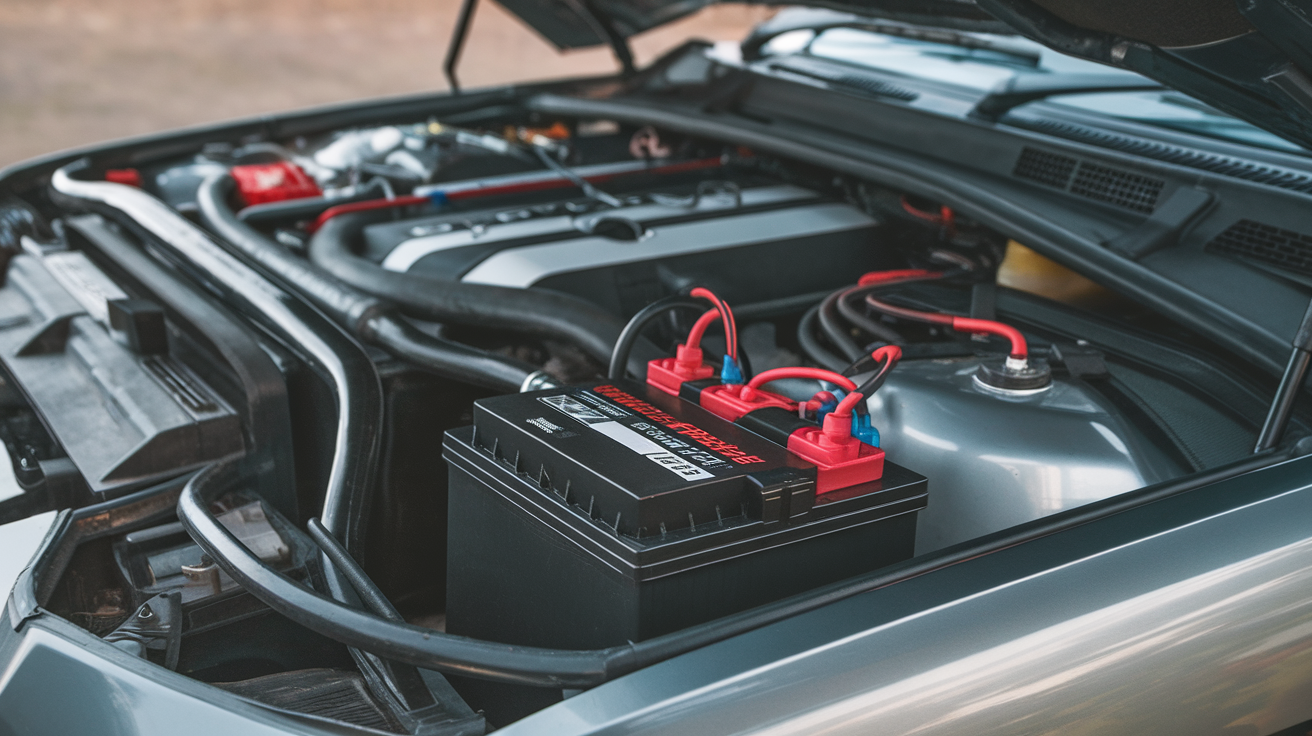
Ever noticed your Rover taking a little longer to wake up? Like it’s struggling to yawn before starting the day? Yeah, that’s not normal. That’s your battery dropping hints that it might be time for a Range Rover battery replacement, and sooner rather than later.
- Slow engine crank
If the starter sounds lazy, your battery might not have enough juice to crank the engine with full power.
It’ll feel like your engine is running through molasses instead of oil. Cold mornings make it worse. - Dim headlights or flickering dashboard
Low battery voltage causes weak lights and erratic electronics, especially noticeable at night or during engine start.
You might think it’s a fuse or alternator, but dimming often starts with a weak battery. - Battery warning light on dash
That little red battery icon? Not just decoration. It’s your car screaming for help.
If it stays on even after driving, don’t ignore it. That’s the car’s way of saying a Range Rover battery replacement is overdue. - Tech glitches and radio resets
Random resets on your screen, seat memory loss, or Bluetooth dropouts can mean unstable battery voltage.
Modern Range Rovers are packed with electronics. A tired battery throws everything out of sync. - Needing a jumpstart more than once
If your car needed a jump last week, and again this week, your battery’s waving a white flag.
One jump is a warning. Two? Schedule a test or consider a quick Range Rover battery replacement before it strands you somewhere inconvenient.
These symptoms often get blamed on electrical issues or alternator faults, but 70 percent of the time, it’s just a tired battery. A proper Range Rover battery replacement can solve most of these problems instantly. Don’t wait until your morning coffee is interrupted by a rescue call. Swap it early and keep those smooth starts coming.
What Skipping a Range Rover Battery Replacement Can Lead To
Think you’re saving money by holding off a Range Rover battery replacement? Spoiler alert: you’re not. What starts as a quick battery fix ends up spiraling into electrical chaos and repair bills you never saw coming.
- Stranded with no warning
Batteries tend to fail when you least expect them, late at night, far from home, or worse, at valet.
You won’t always get signs before it dies. One minute you’re parking, next minute you’re dialing recovery. - Alternator overworks itself
A weak battery forces the alternator to pump out more power constantly. That overwork burns it out fast, costing you double.
When your battery can’t hold charge, your alternator becomes the workhorse. And it wasn’t built for that. - ECU and sensors malfunction
Low voltage confuses your car’s computer. This can trigger unnecessary error codes, limp mode, or kill your fuel trim.
Think of it like trying to run your smart TV on 1 bar of Wi-Fi, things start glitching fast. - Starter motor takes a hit
Your starter gets overworked trying to crank with low power. Replacing that is 3x the cost of a battery.
That delay when starting isn’t just annoying. It’s your starter begging for backup power.
Every time you skip or delay a Range Rover battery replacement, you’re setting off a chain of avoidable issues. What seems like a quick save turns into alternator damage, ECU tantrums, and starter burnout. Book that Range Rover battery replacement before your engine decides to call it quits on a Monday morning.
How Often a Range Rover Battery Replacement Is Really Needed
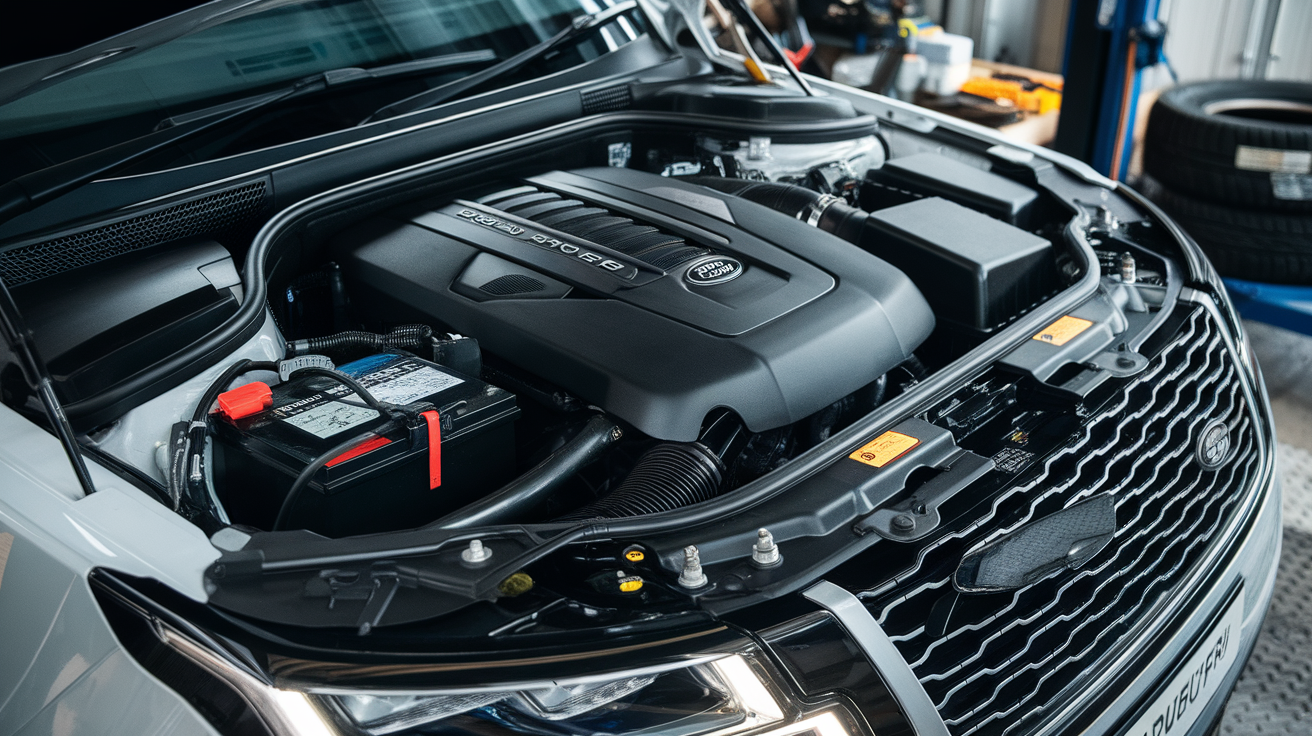
“How long should my battery last?” It’s the million-dirham question for every owner thinking about a Range Rover battery replacement. The answer depends less on mileage and more on heat, habits, and how much tech your Rover is powering.
- 3 to 5 years is the global average
But that’s under “ideal” conditions, cool weather, highway driving, minimal tech use. So, not Dubai.
If your Rover lives in a colder region, great. But Dubai’s climate cuts that number fast. - In UAE heat, 2.5 to 3 years is realistic
Batteries in hot climates degrade faster. You’ll start noticing issues by the 30-month mark.
That brutal summer heat cooks your battery from the inside. Voltage drops become common. - Factory vs aftermarket batteries
Factory-installed batteries sometimes last longer, but that’s not a rule. Quality matters more than brand.
A good aftermarket battery that meets spec is better than an old factory one limping along. - Idle vehicles wear out batteries faster
If your Rover sits unused for long periods, it might need a replacement even sooner.
Modern cars draw power even when off. Sitting still = slow battery drain.
Before you get caught off guard, check your battery age. If you’re past 2.5 years, a quick test could save you from a bad day. Don’t wait for your next outing to get ruined, schedule your Range Rover battery replacement on time and keep your drive smooth.
DIY vs Professional Check | What Works for Range Rover Battery Testing
So, should you test your battery at home with a cheap voltmeter? Or trust a shop with proper diagnostics? When it comes to avoiding a surprise Range Rover battery replacement, it really depends on how comfortable you are flying blind.
- DIY with multimeter (good for basics)
You can check voltage (12.6V = healthy, 12.2V = low). But that only tells part of the story, no info on load or reserve.
It’s a quick check, but don’t expect it to warn you before your battery drops dead in a parking lot. - Load test equals deeper diagnosis
A proper load test simulates a real engine crank, showing how your battery performs under stress.
This tells you whether your battery still has fight left or if it’s faking strength at idle. - Scan tools reveal hidden issues
A professional scan checks charging voltage, alternator output, and parasitic drain, all in minutes.
It spots silent killers like voltage dips and overcharging alternators that destroy batteries early. - Built-in battery testers aren’t always reliable
Some newer Range Rovers have internal sensors, but don’t depend on them. False negatives happen.
They miss issues like surface charge or internal resistance, which still require a real test.
Want a shop that can do proper load testing, parasitic-draw checks, and IBS resets? Read How to Find the Best Range Rover Garage in Dubai? before you book.
Sure, DIY testing helps you feel proactive, but don’t rely on voltage alone. If your Rover’s been acting odd, a quick check-up can prevent a surprise Range Rover battery replacement later. Just 10 minutes at a shop could save you from calling recovery on a hot afternoon.
Battery Match Game | Choosing the Right Fit for Range Rover Battery Replacement
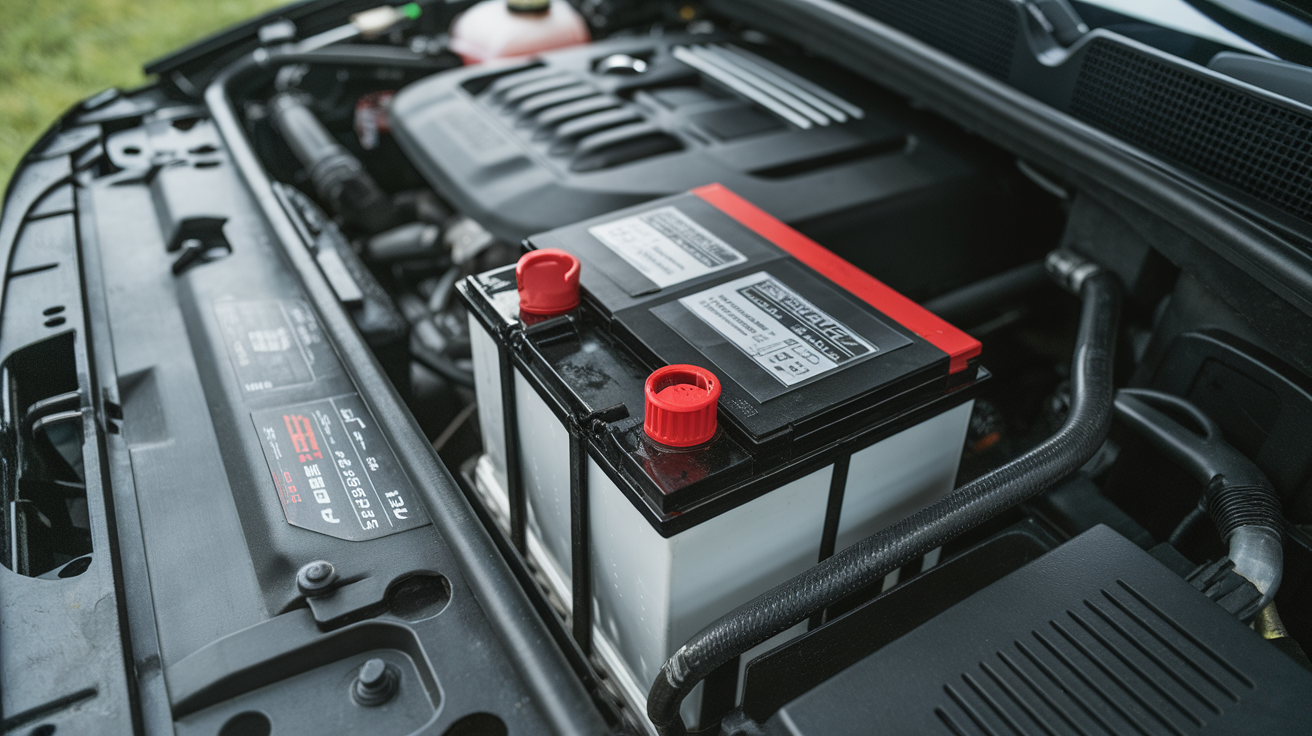
Not all batteries are created equal. Choose the wrong one during your Range Rover battery replacement, and your vehicle might start glitching like it’s haunted. Between the chemistry, group size, and power rating, there’s more to it than meets the eye.
| Model | Battery Type | Group Size |
| Range Rover Sport | AGM | H7 / 94R |
| Range Rover Velar | EFB / AGM | H6 / 48 |
| Range Rover Evoque | EFB | H5 / 47 |
- AGM vs EFB batteries
AGM (Absorbent Glass Mat) handles high loads, faster recharge, and better in heat. EFB (Enhanced Flooded Battery) is cheaper but not as durable.
For UAE heat and tech-heavy models, AGM is usually the safer long-term bet for your Range Rover battery replacement. - Cold cranking amps (CCA) matter
Range Rovers need high CCA to crank those big engines, don’t cheap out here.
A low CCA battery might work today, then fail on the next cold morning or after long parking hours. - Physical size must match tray
A misfit battery can slide, short, or vibrate loose, always check group size.
Even if the terminals fit, the wrong size puts your vehicle at risk for damage and electrical faults. - Match charging system compatibility
Newer Rovers have smart alternators, pick a battery that plays nice with the system.
Using the wrong battery confuses the charging system, leading to undercharging or battery wear.
For model-correct AGM/EFB options, coding/registration, and same-day installs, visit our independent Range Rover repair garage to book a Range Rover battery service.
The truth is, Range Rover battery replacement isn’t just plug and play. You’re matching a power source to a sensitive, high-tech machine. One mismatch could mean months of electrical drama. Always double-check your fit before you install, or better yet, get it done right the first time.
When to Do a Range Rover Battery Replacement Immediately
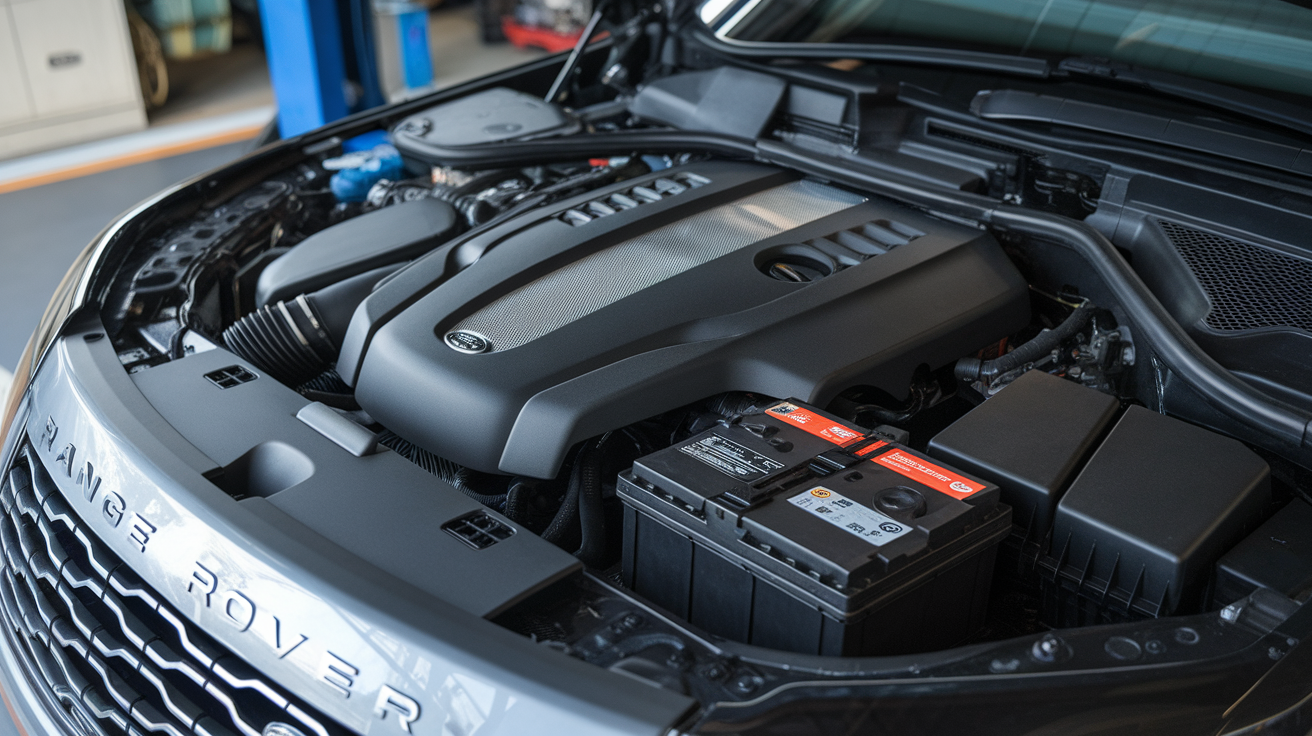
Still wondering if it’s the right time for a Range Rover battery replacement? Don’t overthink it. If your car shows any of the signs below, that battery isn’t asking, it’s telling.
Replace your Range Rover battery if:
It’s more than 3 years old
Most batteries start declining after the 3-year mark, especially under Dubai’s heat.
At this point, internal plates degrade and capacity drops, even if the car still starts.
Crank time is getting slower
If it takes longer than usual for your engine to turn over, power delivery is weakening.
That sluggish startup means your battery’s output can’t keep up with your engine’s needs.
Electronics act weird
Random screen freezes, flickering lights, or settings resetting often trace back to unstable voltage.
It’s your Rover’s way of saying something’s not right with the power supply.
Battery icon flashes even once
Even a momentary flash signals battery stress. Don’t dismiss it just because it went away.
Your car logs this fault even if you don’t see it again. A proper checkup can confirm if a Range Rover battery replacement is due.
You’ve jumpstarted twice in a month
That’s more than bad luck, it’s a failing battery trying to survive.
If you’ve needed help more than once, that’s your final warning before complete failure.
Bonus signs to watch for:
Strong rotten egg smell near hood (acid leak)
This smell comes from leaking sulfuric acid, a serious safety hazard.
It also means your battery’s internal chemistry has broken down.
Battery case is swollen or cracked
Physical swelling or cracks are signs of overheating or gas buildup.
Don’t risk a short circuit. Remove and replace the battery immediately.
AC and media rebooting during drive
If systems restart mid-drive, the battery can’t hold consistent voltage.
This is often misdiagnosed as software failure, but it’s usually just low battery stability.
This is your cheat sheet. If your Rover’s showing even one of these signs, don’t wait. A quick Range Rover battery replacement now beats getting stranded later. Handle it today, stay worry-free tomorrow.
Frequently Asked Questions | Range Rover Battery Replacement
Q: How long does a Range Rover battery last in Dubai?
A: Realistically, about 2.5 to 3 years. The heat wears it down fast.
Extreme temperatures accelerate internal corrosion and fluid evaporation, cutting lifespan shorter than global averages. Testing it around the 30-month mark can help you plan your next Range Rover battery replacement before failure strikes.
Q: Why does my Range Rover battery keep dying?
A: Could be a parasitic drain, weak alternator, or battery past its prime.
Electrical systems can draw power even when the car is off. Combine that with an old battery or a faulty alternator, and you’ll be reaching for jumper cables more often than your keys.
Q: Can I install the battery myself?
A: Technically, yes. But if your Rover needs registration or reset, best to let a pro handle it.
Modern Rovers may require ECU updates, sensor calibration, or IBS reset after installation. A DIY job done wrong could trigger warning lights or charging issues.
Q: Is it okay to drive with a weak battery?
A: Not recommended. It strains your alternator, starter, and ECU.
Running on a failing battery forces other systems to overcompensate. That small delay in replacing it could snowball into needing an alternator and starter replacement too, not worth the risk when a quick Range Rover battery replacement solves it.
Q: Do I need a special battery for Range Rover Sport?
A: Yes. It must match CCA and size specs, usually an AGM type, Group 94R.
Using the wrong battery can mess with your smart charging system, fail to deliver enough cranking power, or simply not fit the tray securely. Always match what’s recommended for your model and climate.
Let me know if you want 2 or 3 more questions added.
Need a Battery Check or Range Rover Battery Replacement?
We’ve seen these battery dramas play out daily. Some clients catch it early, others learn the hard way. Either way, we’re here to make sure yours doesn’t end in a parking lot meltdown.
Your Range Rover deserves more than a jumpstart.
Get a real diagnosis, a proper battery, and peace of mind that lasts.
Book your Range Rover battery replacement in Dubai today.
Let’s keep it moving, stress-free.
Add a Comment