

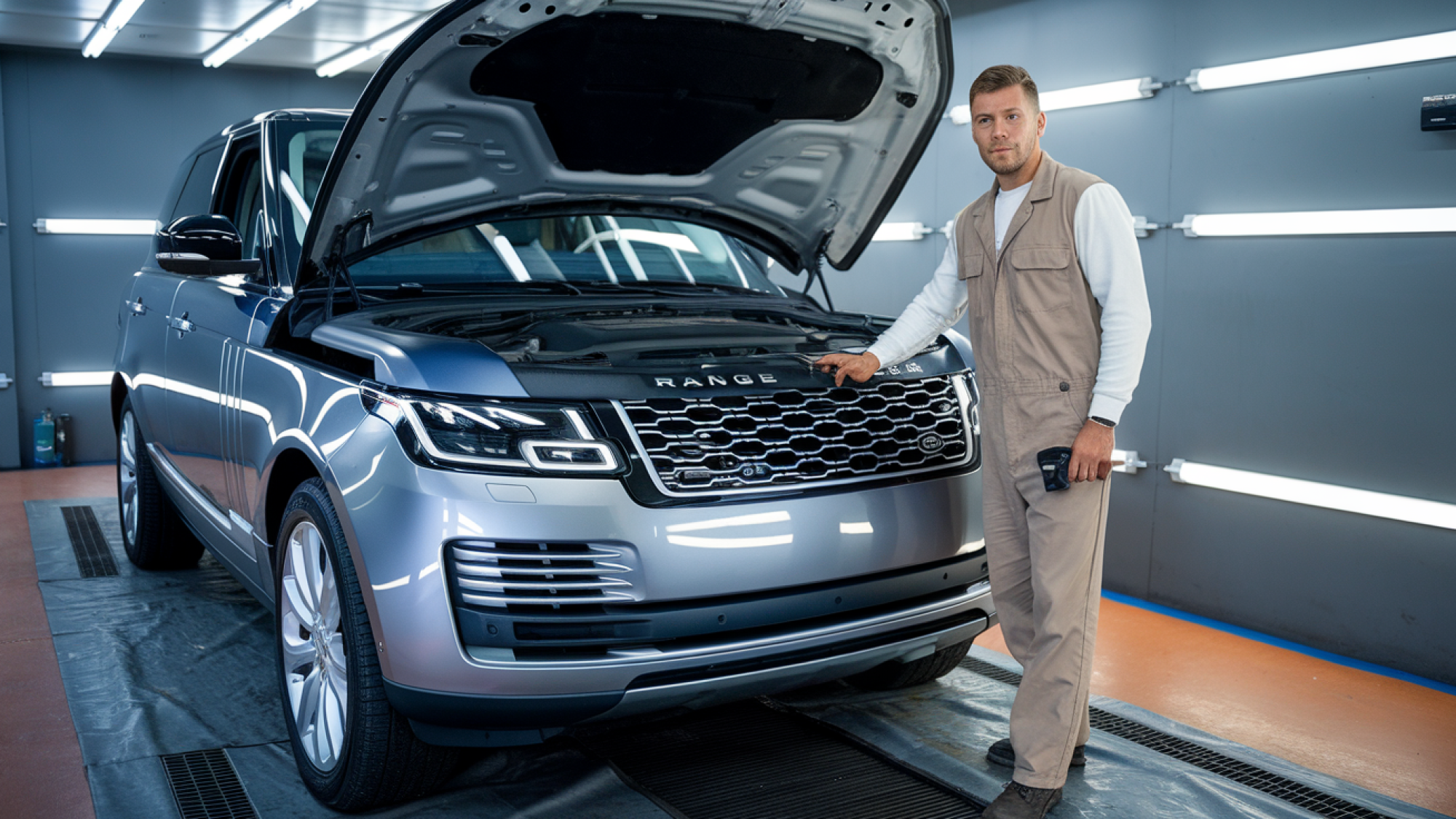
Ever had your dashboard light up like a Christmas tree, but you decided to ignore it because the car “still runs fine”? You’re not alone. A lot of Range Rover owners wait until things go really wrong before considering a Range Rover oil change, but spoiler alert, by then, damage is already happening under the hood.
Here’s the deal. Luxury SUVs like the Range Rover aren’t built for neglect. They’re built for power, smooth rides, and precision. And nothing messes with all three like old, crusty oil. In this guide, we’ll break down exactly how to know when it’s time for a Range Rover oil change, what oil works best, and how to avoid turning your Rover into an expensive paperweight.
Why Range Rover Oil Change Timing Really Matters
What’s the big fuss about engine oil anyway? It’s just slippery liquid, right? Nope. Not even close. When it comes to luxury vehicles, a Range Rover oil change isn’t just regular maintenance—it’s engine insurance. This isn’t your average SUV. Your Rover needs clean, high-quality oil at the right time, or things start breaking down faster than you’d expect.
- It lubricates all moving parts
Every time your engine runs, hundreds of metal components are rubbing, spinning, and sliding against each other. Oil forms a barrier between them, keeping things smooth and preventing parts from grinding themselves into scrap. - It regulates engine temperature
Your coolant system handles the bulk of cooling, but oil carries heat away from engine surfaces too. Old or low oil means your engine runs hotter, especially in traffic or under load, putting vital components at risk. - It collects sludge and debris
Your oil filter can only catch so much. Fresh oil picks up microscopic metal shavings, dirt, soot, and fuel residue. Once it gets saturated, all that junk just keeps circulating inside the engine.
Even if your Rover seems to be running fine, skipping or delaying a Range Rover oil change silently erodes engine health. You don’t see the damage right away, but trust us, your car feels it. Stay on top of your oil change schedule and your engine will reward you with smoother performance, fewer warning lights, and way less repair drama.
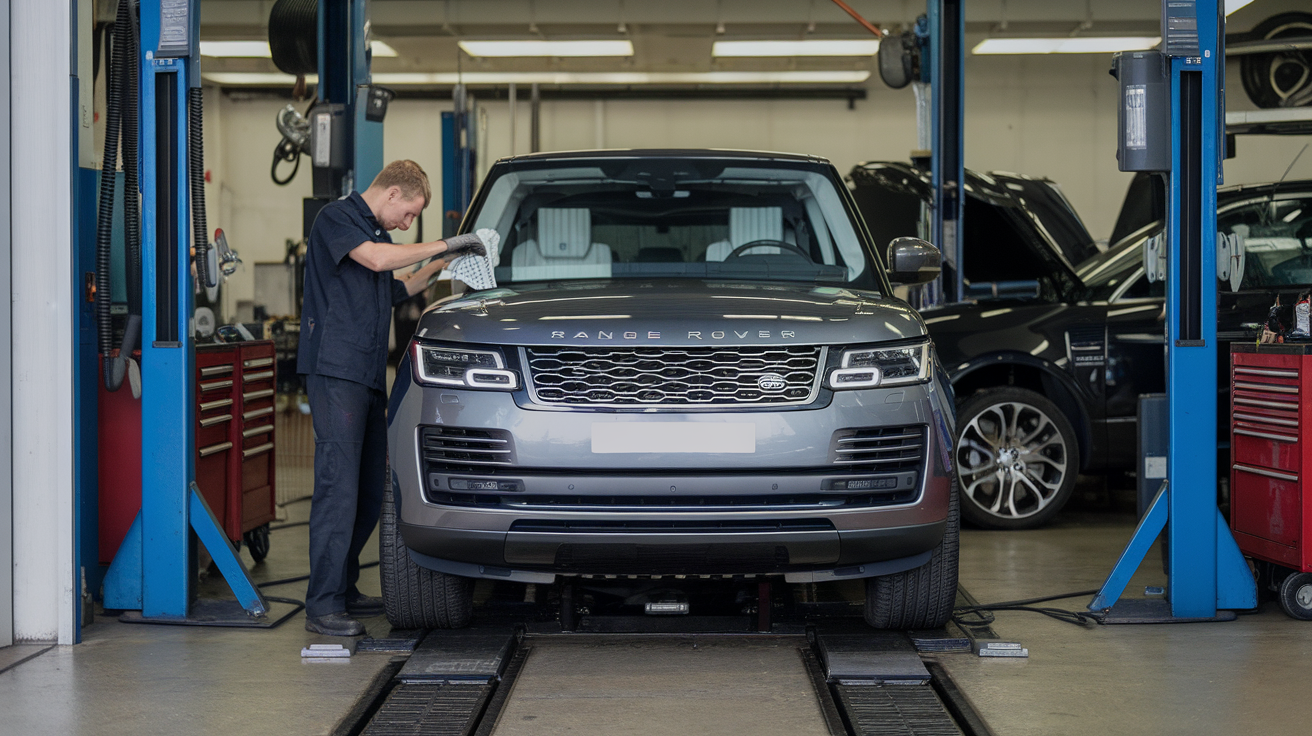
How Often Should You Schedule a Range Rover Oil Change?
Think a once-a-year oil change still cuts it for a Range Rover? Eh… not quite. That advice might have worked for grandma’s hatchback, but these engines are beefier, thirstier, and running harder than ever. If you want to keep your engine smooth and warning-light free, understanding your Range Rover oil change schedule is non-negotiable.
- Standard interval is every 8,000 to 12,000 km
This is your ballpark for most modern Range Rover models using synthetic oil. If you’re cruising casually and not pushing the engine too hard, this window usually works fine. - For harsh driving or extreme weather, aim for every 6,000 to 8,000 km
Driving in stop-and-go city traffic, towing, off-roading, or just surviving Dubai summers? That heat and engine stress wear your oil out faster, meaning shorter intervals are safer. - Use onboard indicators as a helpful tool, not gospel truth
Yes, your Rover might tell you when it thinks it needs an oil change, but it can’t measure oil quality. Always back it up with manual checks, especially if your driving style is anything but gentle.
The truth is, your engine doesn’t care about the calendar. It cares about oil quality. And timely Range Rover oil change intervals keep that high-performance machine from coughing up costly surprises. So don’t wait till it begs, change it before it complains.
Top Clues Your Range Rover Oil Change Is Overdue
Your Rover’s not going to tap you on the shoulder and whisper “change my oil.” But it’s got other ways of acting out when it’s fed up. These signs usually start off subtle, then get loud real quick. And when they show up, chances are your Range Rover oil change is already late.
- Engine feels sluggish when accelerating
You hit the gas and the car feels heavy, like it’s dragging itself forward. That’s thick, worn-out oil choking your engine instead of helping it breathe. - Strange ticking or knocking sounds
That weird tapping under the hood isn’t just noise. It’s dry metal-on-metal contact, the kind that happens when your oil loses its protective film. - Oil light comes on then disappears
If your oil warning light shows up even once, don’t brush it off. Even a quick flicker means the system detected a drop in oil pressure or flow. - Oil looks black and gritty on the dipstick
Pull out the dipstick and check the color. If it’s dark like burnt coffee and feels grainy, that’s used-up oil full of sludge and particles your engine doesn’t need. - Burning smell or visible exhaust smoke
Smell something sharp or smoky after parking? That could be oil burning off inside the engine or leaking into the exhaust. It’s not a great sign.
These aren’t just random car quirks. They’re warnings. Catch them early and your next Range Rover oil change will be a quick fix. Wait too long and you’re risking engine damage, higher bills, and one very unhappy SUV.
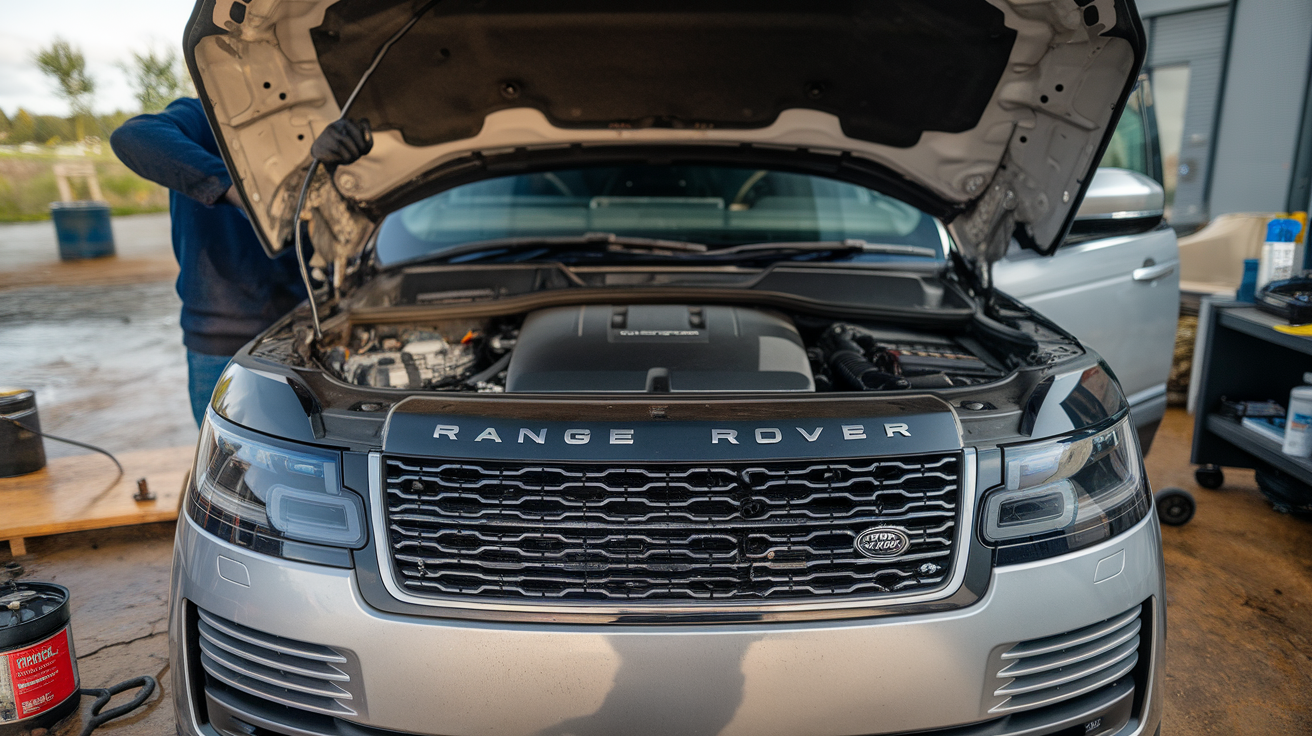
What Happens If You Delay a Range Rover Oil Change?
Let’s not sugarcoat it. Skipping your Range Rover oil change isn’t just lazy maintenance, it’s engine sabotage in slow motion. You might think you’re stretching your money, but all you’re doing is setting your motor up for failure one ignored kilometre at a time.
- Internal wear accelerates
No clean oil means no proper lubrication. And when metal rubs on metal without that slippery shield, things like pistons, cylinder walls, and cams start wearing down fast. - Oil turns acidic and corrosive
Old oil breaks down over time and gets contaminated with fuel, carbon, and moisture. That mix turns corrosive and starts eating away at internal engine surfaces. - Sensors and filters clog up
Thick, dirty oil clogs your oil filter and gunk builds up in pressure sensors and oil galleries. That causes false readings or even limp mode, making your car feel sluggish and unresponsive. - Repair costs skyrocket
Neglecting a simple Range Rover oil change can lead to oil starvation, blown gaskets, or even full engine failure. What would’ve cost you a few hundred can quickly hit five figures if damage spreads.
Still tempted to squeeze in a few extra thousand kilometres on old oil? Don’t. It’s not worth gambling your engine on procrastination. Change the oil, keep the engine happy, and avoid the “why is this repair quote the size of a vacation” moment.
Best Engine Oils for a Smooth Range Rover Oil Change
Choosing the right oil for your Range Rover is like picking the right shoes for a marathon. Sure, any pair might get you through the first few kilometres, but the wrong ones will destroy your performance by the end. A proper Range Rover oil change needs more than “whatever’s on sale” at the parts shop. Here’s what actually works, and why.
| Oil Type or Spec | Why It Works Best for Range Rovers |
| Full Synthetic 5W-30 | Maintains flow and lubrication even in Dubai heat. Great for newer engines with tighter tolerances. |
| Full Synthetic 5W-40 | Slightly thicker at higher temps. Ideal for performance models or heavy driving loads. |
| ACEA A5/B5 or C3 Spec | These are European specs designed for high-load, high-efficiency engines like yours. Protects turbos and emissions systems. |
| Avoid “Universal Fit” Oils | Generic oil might miss crucial detergents and additives. Could lead to deposits, sludge, or poor flow. Stick with known, high-quality brands like Castrol, Mobil 1, or Liqui Moly. |
Engine oil is not the place to gamble or experiment. The wrong one might not hurt right away, but over time it’ll clog up filters, weaken performance, and wear down parts. For a smooth and reliable Range Rover oil change, follow what your engine was designed for and skip the shortcuts.
Range Rover Oil Change in Hot Weather | What Dubai Drivers Must Know
Dubai summers can cook an egg on your bonnet in under five minutes. So imagine what’s happening inside your engine where temperatures run even hotter. If you’re not adjusting your Range Rover oil change routine to match the brutal climate, you’re basically daring your engine to quit early. Hot weather doesn’t just stress people, it destroys oil performance too.
- Higher ambient temps thin oil faster
Even high-quality synthetic oil starts breaking down when the outside temps hit 45°C or more. The oil thins out, loses its protective layer, and leaves critical engine parts more exposed to wear and tear. - Additives degrade quicker
Engine oils are packed with detergents, anti-foam agents, and stabilizers. In extreme heat and constant stop-and-go traffic, these chemical additives burn off faster than usual, reducing the oil’s cleaning and protective power. - More frequent oil changes are a must
If you’re driving your Range Rover daily in Dubai’s summer traffic, oil intervals should be reduced by 20 to 30 percent. That means don’t wait for the 10,000 km mark. Change it early to avoid sludge, heat strain, and internal wear.
The desert heat isn’t just rough on batteries and ACs, it absolutely punishes engine oil. Staying ahead of your Range Rover oil change schedule in hot weather is the easiest way to protect your engine, avoid surprises, and keep your SUV running strong no matter how high the mercury climbs.
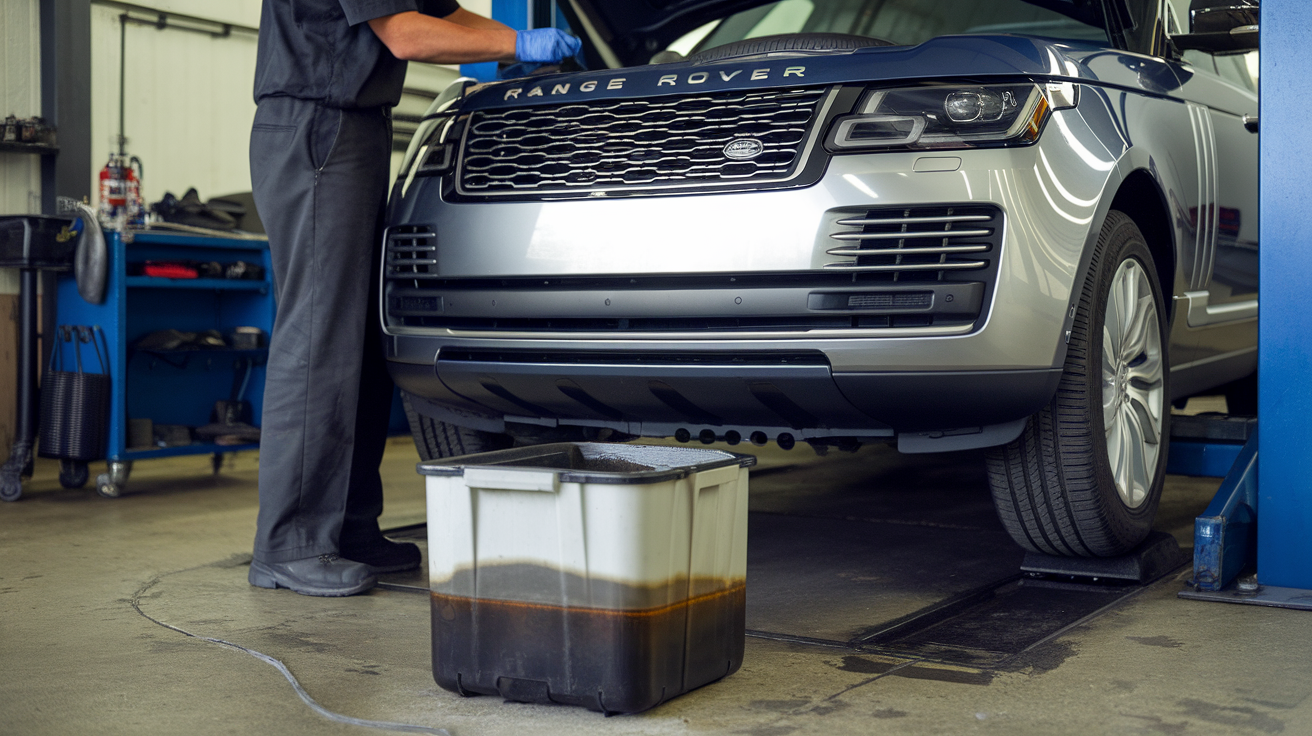
How to Check Your Range Rover’s Oil | No Tools, No Guesswork
Worried your oil might be on its last legs? Don’t wait around for the dashboard to light up like a warning billboard. You can catch issues long before that. A quick, no-tools check can save your engine and stretch the life of your Range Rover oil change.
- Park on a level surface
Sounds obvious, but this is the first thing people get wrong.
- An uneven surface skews the oil level reading.
- Always make sure the car is on flat ground, engine off, and handbrake engaged.
- Wait at least 10 minutes after shutting off
Oil needs time to drip back into the pan after driving.
- Too soon and you’ll get a high reading that makes you think all is well.
- Patience here gives you a real look at what’s left in the engine.
- Pull the dipstick, wipe it clean, then reinsert
This is where the magic happens, don’t just check the level.
- Look at the color. Fresh oil should be amber or honey-colored.
- Feel the texture. Gritty, thick, or dark oil is a red flag that your next Range Rover oil change shouldn’t wait.
A two-minute dipstick check once a month tells you more than any software warning ever could. It’s quick, free, and one of the easiest ways to stay ahead of expensive engine problems. Regular checks mean your next Range Rover oil change will happen on your terms, not your engine’s.
Oil Filter Matters Too | Don’t Ruin a Good Range Rover Oil Change
Let’s be honest. Doing a Range Rover oil change without swapping the oil filter is like brushing your teeth and then drinking soda. Sure, you did something… but it doesn’t really count. The filter is what keeps that clean oil clean, and ignoring it puts your entire oil change to waste.
- The filter traps debris and contaminants
As oil moves through your engine, it picks up dirt, soot, metal shavings, and sludge. The oil filter catches all that to keep it from circulating back into the engine and causing damage. - Old filters can collapse or bypass
When a filter gets too clogged, it can physically collapse under pressure or trigger the bypass valve. That lets unfiltered oil circulate, which is worse than not changing the oil at all. - Always match OEM filter specs
Using a filter that “sort of fits” isn’t good enough. Your Range Rover needs a specific filter type designed for its engine’s pressure, flow, and threading. Wrong filter equals wrong results, even with the best oil.
So next time you book or DIY a Range Rover oil change, make sure the filter’s getting replaced too. It’s a tiny part with a massive job, and skipping it is one of the fastest ways to ruin a good oil change.
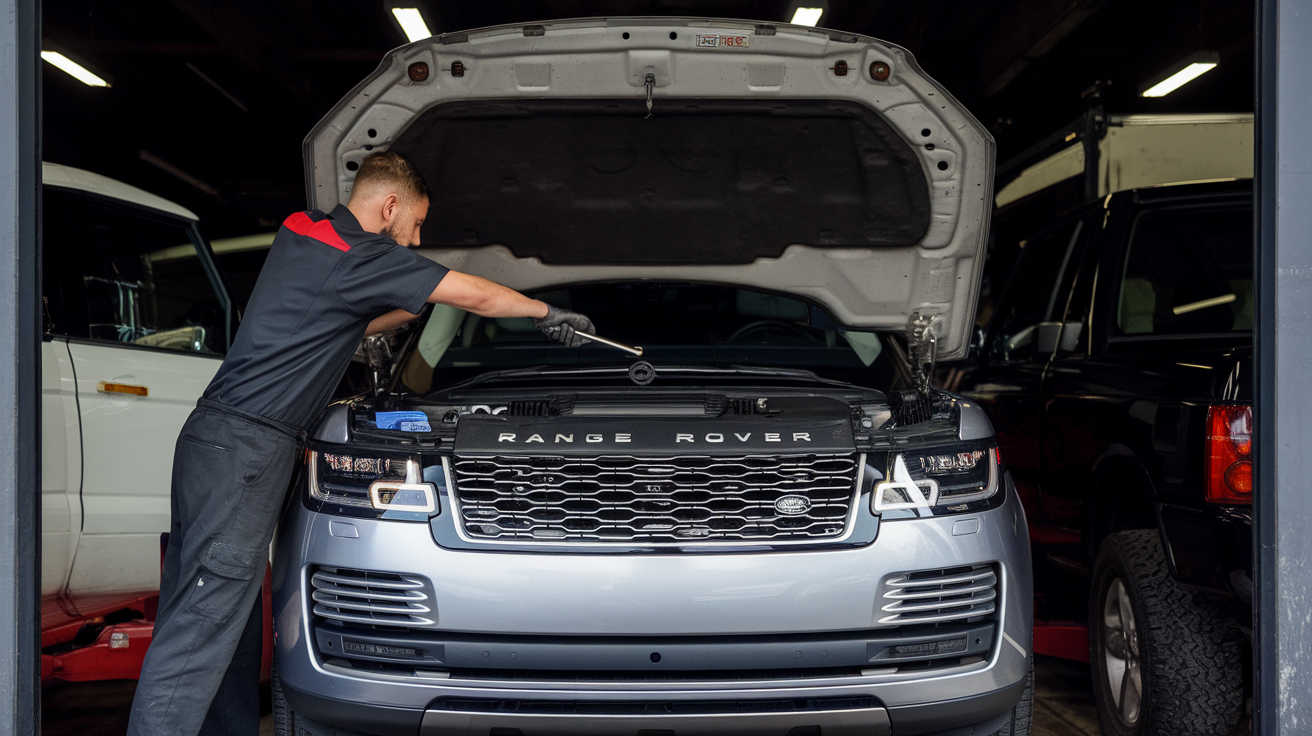
FAQs | Range Rover Oil Change Questions, Answered Right
Let’s be honest. Doing a Range Rover oil change without swapping the oil filter is like brushing your teeth and then drinking soda. Sure, you did something… but it doesn’t really count. The filter is what keeps that clean oil clean, and ignoring it puts your entire oil change to waste.
What does the oil filter actually trap?
As oil moves through your engine, it picks up dirt, soot, metal shavings, and sludge. The oil filter catches all of it to prevent circulation of harmful debris that could damage internal parts.
Can an old oil filter collapse or stop working?
Absolutely. If it gets too clogged, it can cave in under pressure or trigger the bypass valve, which allows dirty, unfiltered oil to circulate through the engine. That’s worse than skipping the oil change entirely.
Does it matter what oil filter you use in a Range Rover?
Yes, big time. Your Range Rover requires a filter that matches exact specifications, thread size, pressure range, flow rate. A filter that “kind of fits” isn’t doing your fresh oil any favors.
So next time you book or DIY a Range Rover oil change, make sure the filter’s getting replaced too. It’s a tiny part with a massive job, and skipping it is one of the fastest ways to ruin a good oil change.
Add a Comment